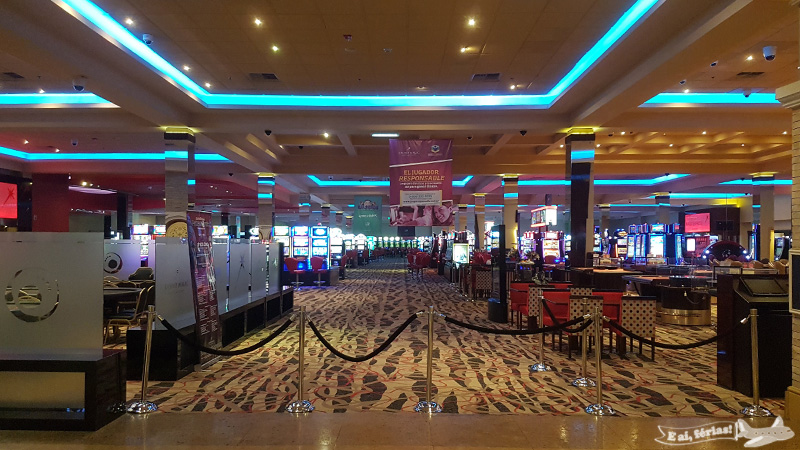
Understanding your relationship with gambling is the bedrock of safer play https://kongs.casino/responsible-gambling/. In Belgium, where the Gaming Commission keeps a tight leash on the market, this awareness isn’t just a nice-to-have—it’s required of players at places like Kong Casino. Self-assessment tools are questionnaires designed to circumvent denial and cognitive bias, offering you a personal, no-pressure overview of your gambling over a given period. They are by no means clinical diagnostic tools that officially label someone a problem gambler; they’re screening metrics that signal risk levels. They work on a scoring system: your answers—often based on the Problem Gambling Severity Index or DSM-5 criteria—add up to place you on a spectrum, from low-risk fun to potential severe dependency. The strength of these digital checklists is their objectivity; they strip away the emotional heat of a family confrontation and let you see the unfiltered patterns, whether that’s recovering losses, borrowing money to bet, or being dishonest about time spent online.
The Goal of Screening Briefs
Screening briefs do something a superficial self-reflection or a worried glance at a bank statement can’t: they’re structured to identify early warning signs well before a habit solidifies into a clinical disorder. The point is never punishment or prohibition—it’s early intervention. Gambling exists on a continuum, and the slide from social fun to harmful compulsion is so gradual that the person trapped in it often cannot see it until a financial crisis or relationship collapse hits. A validated screening brief cuts through that denial by asking standardized questions about control, like whenever you can actually stop a session when you hit your pre-set deposit limit. For regulated Belgian operators like Kong Casino, promoting these tools is part of the duty-of-care clauses that licensed entities must follow, creating a safety net that runs on its own. By putting numbers on feelings of guilt, annoyance when trying to cut back, or constant rumination over past losses, these briefs turn abstract emotional turmoil into concrete data. That data makes it clear when recreational play has crossed a line and needs immediate structural change or professional help.
Interpreting Your Score Without Bias
Getting a score from a behavioral screener may heighten your anxiety. But reading it objectively requires separating the number from value judgment and treating it as navigational data. A score is a snapshot from a specific point, not a fixed mark. If you fall within the moderate-risk band during a stressful month, you’re not broken—you’re taking in a critical memo from your subconscious that your coping mechanisms have gone astray. Low-risk scores generally suggest that you treat gambling as a budgeted leisure expense, like purchasing a movie ticket: the money’s spent, gone, and you don’t feel a persistent urge to win it back. A moderate score often shows patchy control—maybe you’re great at setting time limits but routinely blow through financial ones, or the reverse. That points to a technical fix at the account level as the best remedy. A high-risk score is a clear alert. It indicates that your prefrontal cortex logic is being regularly overrun by the limbic system’s impulse loops, leaving voluntary self-control nearly impossible without external barriers. For a Belgian player at Kong Casino, seeing this high score isn’t a failure; it’s clear evidence that full self-exclusion or third-party blocking software is now the safest route to restoring peace of mind.
In what manner Digital Self-checkers Work
Under the hood of a digital self-checker’s clean interface is a strict algorithm that examines how often, results, and urge. Trustworthy frameworks, like the ones referenced on responsible gambling pages at Kong Casino, use a simple yes/no format. Each “yes” adds to a tally that maps to a risk tier. The framework usually probes three main domains: impaired control—measuring unsuccessful tries to define money or time limits; negative consequences—measuring harm to mental health, work, or financial situation; and tolerance or retreat—identifying if you’ve raised bet sizes just to seek a lost thrill or to suppress emotional pain. After the final score is computed, the algorithm instantly categorizes you into a risk level—commonly low, moderate, or high—and provides you prompt, private feedback. That feedback often contains specific behavior-change tips, a direct link to deposit limit tools, or a strong nudge to activate a cooling-off period. All of this happens without storing any identifying data that could compromise your privacy.
The Role of Money Management and Reality Assessments
Long before you reach the crisis point a red-flagged self-assessment warns about, strict budgeting serves as a primary prevention tool. It converts gambling from a chaotic financial unknown into a meticulously planned leisure expense. A proper gambling budget doesn’t concern how much you’re willing to risk; it’s the specific amount—determined after all household essentials, savings, and social obligations are covered—that you’re fully comfortable spending on entertainment with zero emotional attachment to recovering it. This simple shift in money mindset kills the “double-or-nothing” desperation because once the budgeted amount is gone, the entertainment product is fully consumed, and the night is logically over. Reality checks align with this budgeting discipline by functioning as an external memory, prompting you at set intervals exactly where you stand against your plan. These checks prevent the dissociation that lets you drift two hours past your intended stop, and they readjust your brain’s fuzzy math by showing the raw session loss in Euros—a number that feels differently when you see it objectively on a pop-up than when it’s a fleeting thought you push away during a hot streak at Kong Casino.
Spotting the Red-flag Signals
Red flags rarely look like the dramatic breakdowns you see in cinema. More often, they’re quiet justifications and subtle shifts in routine—just the kind of thing a self-assessment tool is built to dig up. Among the most significant indicators these questionnaires catch is loss chasing: returning to the platform not due to the enjoyment of the game, but with a deliberate, desperate aim to recoup money previously lost. An additional warning sign is the undermining of honesty—when you start making up stories to conceal how much time you dedicate at Kong Casino, like saying to your partner you were at the office instead of in the midst of a long betting session. The tool additionally examines for the breakdown of self-imposed limits by asking about the urge to sidestep pre-set deposit ceilings, a move that often originates with a rationalized “just this once.” Hostility and mood swings show up too; many screeners query if you get restless or testy when you seek to cut back. And a fixation on gambling as a financial strategy rather than paid entertainment is a blazing red flag. It suggests you’ve confused the line between budgeting and betting, viewing the slot or table as a means of emergency cash instead of pure play.
Understanding Self-exclusion Mechanics
Self-exclusion constitutes the strongest self-protective barrier—a legally binding move that severs the connection separating a vulnerable person and the gaming service for a extended period, usually half a year to five years under Belgian rules. It’s important to know this isn’t a “suspend” button you can turn off in a burst of desire. A genuine self-exclusion protocol at a licensee like Kong Casino is built with careful friction, so you can’t immediately reactivate even if you claim you’ve altered your decision the very next day. During the exclusion window, the operator is required to close the account fully and stop all direct marketing, eliminating the strong triggers of promo emails or bonus offers that so often torpedo an attempt to stay away. You also should appreciate that self-exclusion can be single-site or multi-operator, and for those at the most at-risk category flagged by a self-assessment, casting a wider net through the national EPIS system becomes a critical extra layer. This approach goes beyond willpower; it accepts that behavioral addiction is a health crisis where the only winning move is to impose a mandatory cooling-off period adequate for the dopamine-driven neural pathways to reset before you ever think about a controlled return, if at all.
Professional Support and Therapy Channels
When a self-assessment tool flags severe behavioral disruption, the result should guide you to professional support channels that offer clinical therapy. No responsible gambling widget can take the place of human psychological help. In Belgium, the assistance network is robust and culturally attuned, with services in Dutch, French, and German so language isn’t a barrier to receiving immediate help. Organizations like VAD (Vlaams expertisecentrum Alcohol en andere Drugs) or Le Pélican supply outpatient counseling with addiction therapists trained to break down the cognitive fallacies that feed pathological gambling—things like the “illusion of control” or the “gambler’s fallacy.” Beyond one-on-one therapy, these channels often host group peer-support sessions modeled on self-help, where people present relapse prevention techniques in a confidential, non-judgmental space free of stigma. If your self-checker results suggest an underlying anxiety or depression, clinical channels can prescribe a combined plan of Cognitive Behavioral Therapy and, where appropriate, medication to regulate the mood disorder driving the compulsion to use Kong Casino as an emotional anesthetic rather than for its intended entertainment.

Transitioning from Assessment to Actionable Limits
The results from a self-assessment signifies nothing if it remains as theoretical insight without initiating a real adjustment in how you interact with the platform. Turning raw awareness into concrete limits is the single best path from problem play to sustainable entertainment. The first step is a deposit cap—a hard financial barrier that overrides impulse because the system just blocks any attempt to top up your account beyond the pre-set ceiling. That way, a moment of low self-control at 2 a.m. can’t undo a rational decision reached in the clear light of day. Together with money limits, reality-check timers perform a biological purpose: they disrupt the trance-like state where your brain halts tracking time. By popping up with a hard interrupt and a session summary, the software compels you at Kong Casino to consciously re-engage your executive reasoning and make a deliberate choice to keep going or stop. The third layer is loss limits, a proactive tool that prevents the catastrophic spiral where one bad evening turns into an unrecoverable financial hit. By setting these three boundaries right after a moderate-risk assessment, you establish your safety net, eliminating the exhausting and often futile burden of maintaining willpower around the clock.
- Deposit Limits: Define a strict daily, weekly, or monthly cap on deposits that can’t be bypassed without a regulatory cooling-off period.
- Reality Checks: Activate pop-up timers that stop gameplay every 30 to 60 minutes to show total session time and net spend.
- Loss Ceilings: Specify a maximum net loss amount for a session; once hit, access is automatically suspended until the next window.
- Time-Outs: Begin a 24 to 72-hour temporary lock on your account to stop the habit loop without ending it permanently.
Establishing a Long-term Safer Play Plan
A long-term safer play plan goes beyond occasional restraint and becomes an integrated lifestyle commitment. You create a sustainable system of verifications, equilibriums, and constructive substitute hobbies that make harmful habits obsolete. The basis is cyclic re-assessment: commit to retaking a self-assessment tool at a set frequency—say, the first of each month—to compare scores over time and identify trends before they compound into a full relapse. Additionally, the plan needs strict tech allies. Make sure account-level restrictions at Kong Casino are always on, and back them up with third-party blocking software that stops you from accessing unlicensed gray markets during vulnerable moments. A long-term approach also confronts the void left by cutting back on wagering. You need to design alternative reward pathways so your brain doesn’t feel punished by the absence of play—activities that give a similar dopamine hit, like competitive sports, creative hobbies, or physical exercise. In Belgium, the social side is just as vital. A solid plan often includes keeping an honest conversation going with a trusted friend who holds you accountable without shaming you. That eliminates the secrecy that feeds addiction and promotes the pursuit of safer habits as a lifelong effort.
- Set a recurring calendar reminder to complete a self-assessment every month to follow your score trajectory.
- Permanently configure your maximum deposit limit according to your pre-calculated entertainment budget, and treat it like a unbreakable bill.
- Opt out from all game-update and bonus-reminder marketing emails to remove impulsive trigger loops.
- Replace a usual gambling time slot with a fixed physical activity or social connection to reshape the habit loop.
- Keep the direct number of a specialized Belgian helpline in your phone’s favorites for instant access in a crisis.
Self-assessment tools act as calm, non-judgmental sentries for a sustainable digital entertainment life. They turn vague worries into specific, useful diagnostics that guide you to the precise safety setting you need, be it a minor budget tweak or total self-exclusion. For anyone gambling at Kong Casino in Belgium, these screeners provide the crucial, neutral pause that enables you to differentiate a harmless pastime from a creeping behavioral risk, allowing you to adjust your limits before outside consequences cause the issue. The path from assessment to safety succeeds only when you honor the data and promptly turn it into hard boundaries, so that play becomes a deliberate, enjoyable choice rather than an unconscious psychological burden.